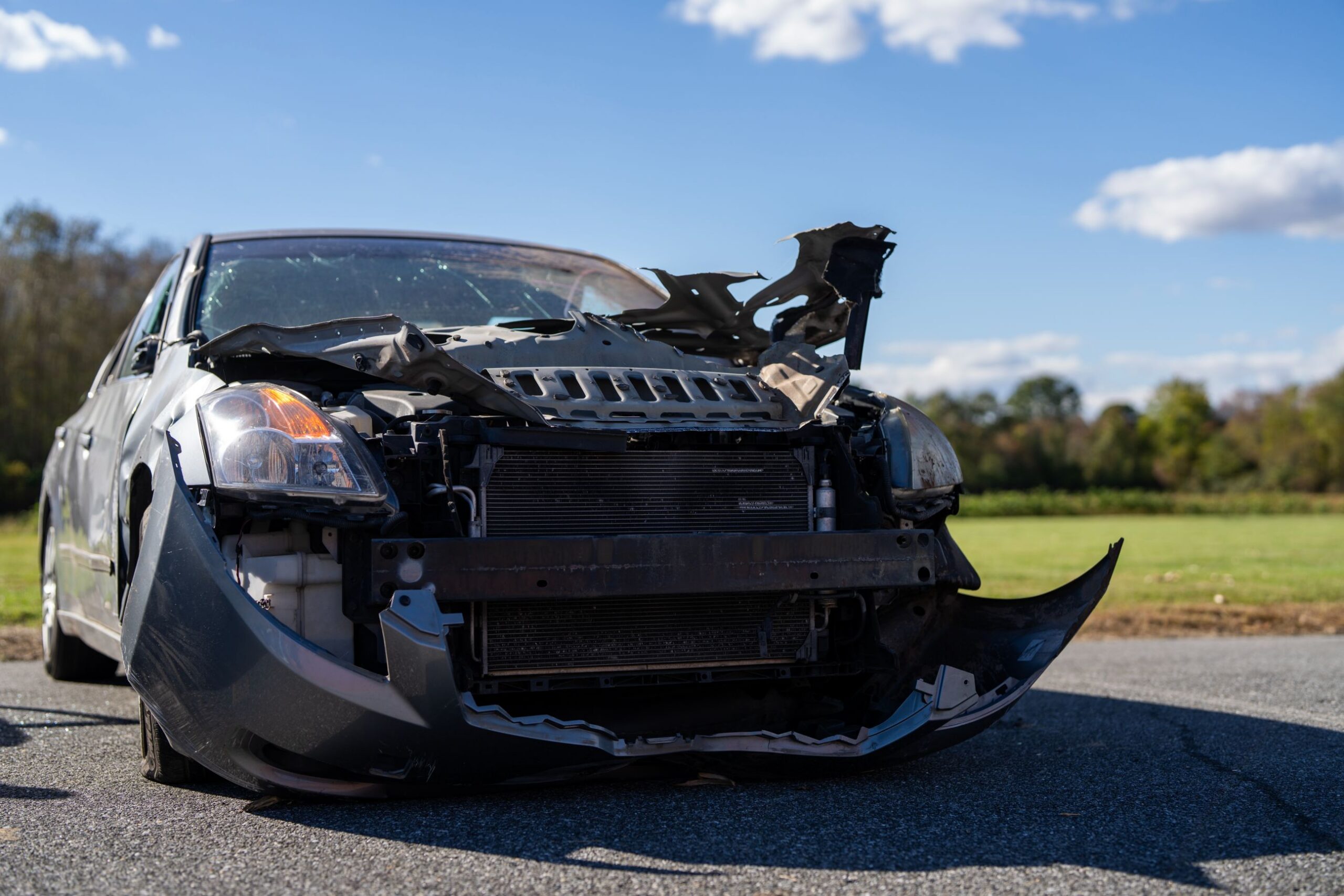
When your vehicle has been damaged in an accident, selecting the right collision center adds another decision to an already difficult situation. Terms like “factory-trained,” “certified repair,” and “OEM-certified collision repair” are common throughout the auto body industry, but understanding what OEM certification actually represents can help you make a more informed choice.
OEM stands for Original Equipment Manufacturer, meaning the automaker responsible for building your vehicle. An OEM-certified collision repair center has satisfied standards established by a particular manufacturer and is equipped to repair covered vehicles using factory-directed procedures, current repair information, and manufacturer-specific methods.
This becomes especially important with newer vehicles. Advanced metals, structural components, cameras, sensors, electronic systems, and driver-assistance technology can all require precise procedures after a collision. OEM-certified facilities have access to specialized training, equipment, and repair guidance designed around these increasingly complex systems.
At Mike Calvert Collision Center, we provide OEM-certified repairs in Houston for major manufacturers including Toyota, Kia, Hyundai, Genesis, and Chrysler. Contact our team to begin your collision repair and get your vehicle on the path back to the road.
What Is OEM-Certified Collision Repair?
OEM certification is recognition from an automobile manufacturer that a collision center has met specific requirements for repairing that manufacturer’s vehicles.
Rather than serving as one universal auto body credential, OEM certification is generally tied to individual manufacturers. Each automaker engineers its vehicles differently and develops repair procedures based on its own materials, construction methods, technology, and safety systems.
Repairing a Toyota, for instance, can involve different structural specifications, joining techniques, measurements, diagnostic processes, and safety-system procedures than repairing a model produced by another automaker.
An OEM-certified collision center has the resources and qualifications to follow the repair procedures established for the vehicles included in its certifications. Advantages include:
Greater confidence in complicated repairs. Manufacturer-focused education gives technicians a deeper understanding of the structural, mechanical, electrical, and safety systems used in the vehicles they service.
Preservation of structural integrity. Factory measurements, approved materials, and manufacturer repair methods help technicians restore structural components according to the specifications established for the vehicle.
Closer attention to advanced safety systems. Certain repairs may require vehicle scans, system inspections, or calibrations. Manufacturer procedures help identify when these additional operations should be performed.
Support for long-term vehicle value. Quality repairs completed according to manufacturer standards can help maintain the vehicle’s overall condition while supporting confidence in its future resale value.
Manufacturer-defined quality standards. OEM certification requires a facility to satisfy criteria established outside the repair shop itself, including expectations related to technician training, repair equipment, procedures, and facility capabilities.
Requirements for OEM Certification
Earning an OEM certification requires considerably more than placing an automaker’s badge on a collision center. Participating facilities must meet detailed standards related to technician qualifications, shop equipment, repair processes, and overall capabilities.
Specific criteria differ between manufacturers, but OEM certification programs commonly concentrate on several important areas.
Specialized Technician Training
Automotive engineering continues to evolve from one model year to the next. New vehicles can introduce different structural materials, electronics, safety features, sensors, and repair techniques that technicians need to understand.
OEM-certified collision technicians therefore receive detailed manufacturer-specific instruction. Certification programs can require recurring or annual education to keep repair professionals informed about new models, updated technology, and changing factory procedures.
Training can address structural restoration, welding and joining techniques, panel replacement, vehicle refinishing, computerized diagnostics, and advanced driver-assistance and safety technology.
Rather than depending exclusively on techniques learned years ago, certified technicians can reference current manufacturer information when determining how a damaged vehicle should be repaired.
Up-to-Date Repair Equipment
Proper training is only one component of a factory-standard repair. Collision professionals also need tools and technology capable of carrying out the procedures specified by the manufacturer.
OEM programs may require facilities to use specialized systems for structural measuring, welding, component joining, diagnostics, refinishing, and related repair operations. Modern collision work may also call for computerized measuring equipment and technology used to diagnose or calibrate electronic safety features.
Having the appropriate equipment helps technicians perform repairs within the dimensions, tolerances, and procedures established when the vehicle was designed.
At Mike Calvert Collision Center, our Houston facility uses advanced collision repair technology such as computerized measuring systems, laser-guided equipment, structural repair systems, and OEM-certified repair methods to support accurate collision repairs.
Factory Repair Guidance
Access to manufacturer repair information is another major difference between OEM-certified collision work and a more generalized approach to auto body repair.
Automakers develop specific instructions for restoring individual vehicle models after a collision. Depending on the location and severity of damage, those procedures can determine whether a component should be repaired or replaced, what joining method should be used, which measurements need to be confirmed, and whether scanning or calibration procedures are required.
That guidance matters because repair requirements can vary considerably between vehicles—and even between different components on the same vehicle.
Following documented factory procedures gives technicians a defined repair path instead of requiring them to make assumptions about how a vehicle should be restored. Mike Calvert Collision Center is certified to provide factory-grade repairs for the following makes:
Why Modern Vehicles Benefit from OEM Procedures
Collision repair is significantly more technology-driven than it once was.
Current vehicles can incorporate high-strength and ultra-high-strength steel, aluminum components, structural adhesives, specialized welds, cameras, radar units, electronic control modules, and advanced driver-assistance systems. These technologies often work together as part of the vehicle’s overall structural and safety design.
For that reason, a vehicle that looks properly repaired on the surface may still require additional work beneath the exterior.
Damage around a windshield, bumper, mirror, or exterior body panel, for example, may involve cameras or sensors that support driver-assistance functions. Structural repairs can likewise depend on exact measurements and prescribed joining procedures to restore damaged areas correctly.
An OEM-certified collision repair facility evaluates these considerations as part of the complete repair process rather than treating collision damage solely as a cosmetic concern.
Choose our OEM-Certified Collision Repair Facility in Houston
When your vehicle needs accident repairs, you should be able to feel confident that the work is being performed according to appropriate repair procedures.
At Mike Calvert Collision Center, our certified technicians combine manufacturer-specific repair knowledge with advanced equipment and factory-guided procedures to restore damaged vehicles with precision. From body and structural restoration to refinishing, computerized measuring, diagnostics, and safety-system considerations, our repair process accounts for much more than exterior appearance.
Our collision center serves drivers throughout Houston and surrounding communities from our convenient facility at 2333 South Loop West in Houston, TX. Whether you have minor cosmetic damage or need extensive collision restoration, our team is equipped to guide you through the repair process.
If your car, truck, or SUV has been damaged and you are looking for OEM-certified collision repair in Houston, call Mike Calvert Collision Center at (713) 558-8282 or schedule an assessment online today. Our team can evaluate the damage, explain the recommended repairs, and help you take the next step toward getting back on the road.